
Floating Excavators for Fort Myers Canal, River, and Waterway Projects
Amphibious floating excavators that dredge silt, pull storm debris, and rebuild banks across Lee County’s canals and Caloosahatchee shoreline, with no barge underneath.
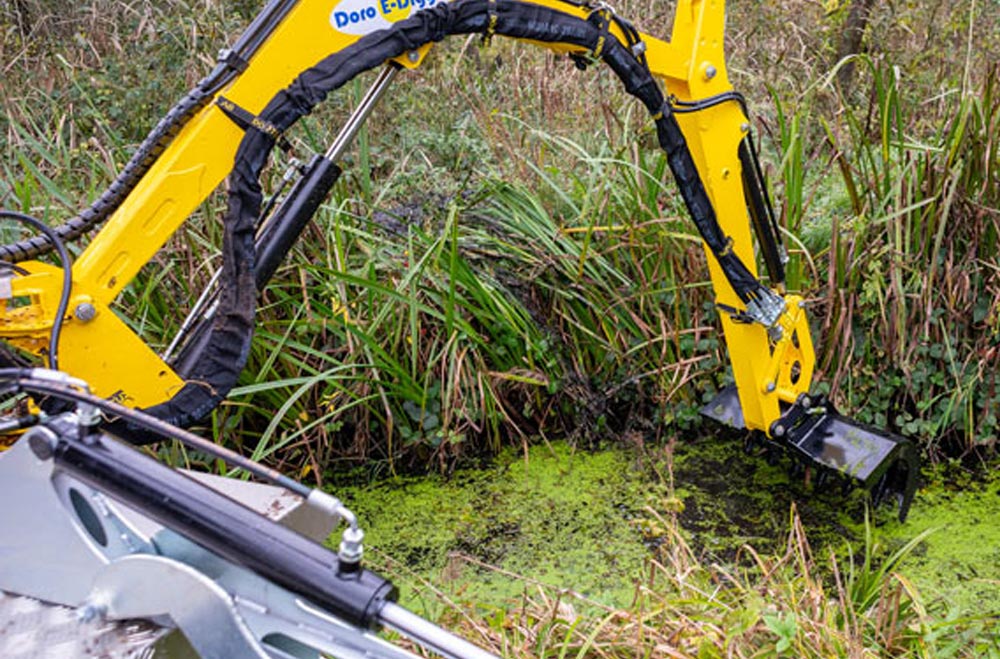
A Floating Excavator Southwest Florida Can Actually Deploy
The usual floating excavator is a dry-land machine perched on a pontoon barge, which means renting a crane to set it, a lowboy to move the raft, and a long morning lost before the first scoop of muck comes up.
Truxor was engineered the opposite way. It is one amphibious machine that rolls down the bank, settles onto the water, and digs, no raft and no crane in the plan.
For Lee County crews still clearing Ian-era silt out of gulf-access canals, that self-launching design reaches jobs a barge rig would spend a day trying to stage.
A Floating Excavator Sized for Lee County Waterways
One amphibious platform for canal dredging, sediment removal, and shoreline grading across Fort Myers and Lee County, FL.
Put a Floating Excavator to Work in Southwest Florida
The right floating excavator depends on the depth you dig, the bank you launch from, and how much sediment the job has to move.
We match the Truxor to the work, from scooping storm sediment out of a Cape-style canal, to regrading a scoured bank along the Caloosahatchee, to lifting nuisance growth off a stormwater lake in a Gateway or Estero community.
Whether you are chasing the canal recovery work still moving through Lee County or trading out a barge rig that costs a fortune to haul, we steer you to the machine and attachments that suit the water.
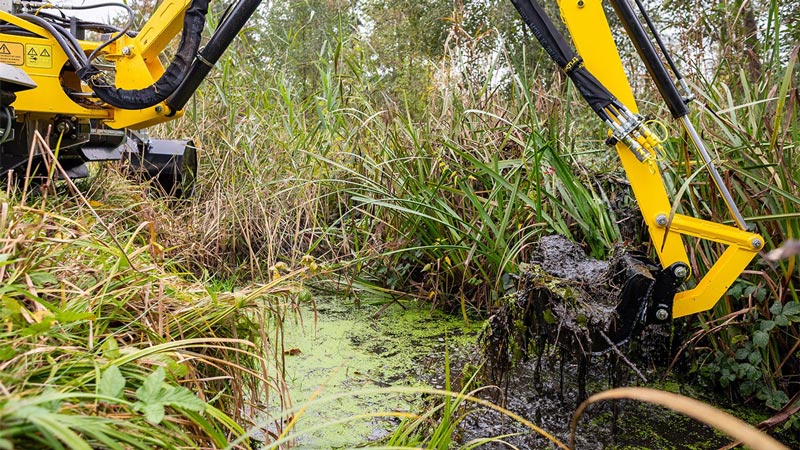
Why Southwest Florida Contractors Are Moving to Amphibious Floating Excavators
A pontoon rig is slow to mobilize and awkward to launch in Lee County’s narrow gulf-access canals. An amphibious machine sets itself down and gets to work.
Launch Itself, No Barge
Roll off a Fort Myers seawall or boat ramp and float to the dig under the machine's own power, skipping the crane, the lowboy, and the pontoon rental entirely.
Reach the Post-Storm Silt Line
Get into the shallow, sediment-packed canals and Caloosahatchee edges left behind by hurricane surge, where a deep-draft barge rig simply cannot follow.
Cover the Whole Job
Dig, dredge, grade a slumped bank, or clear vegetation with one machine and a swapped attachment, so a single unit handles a full Southwest Florida canal job.
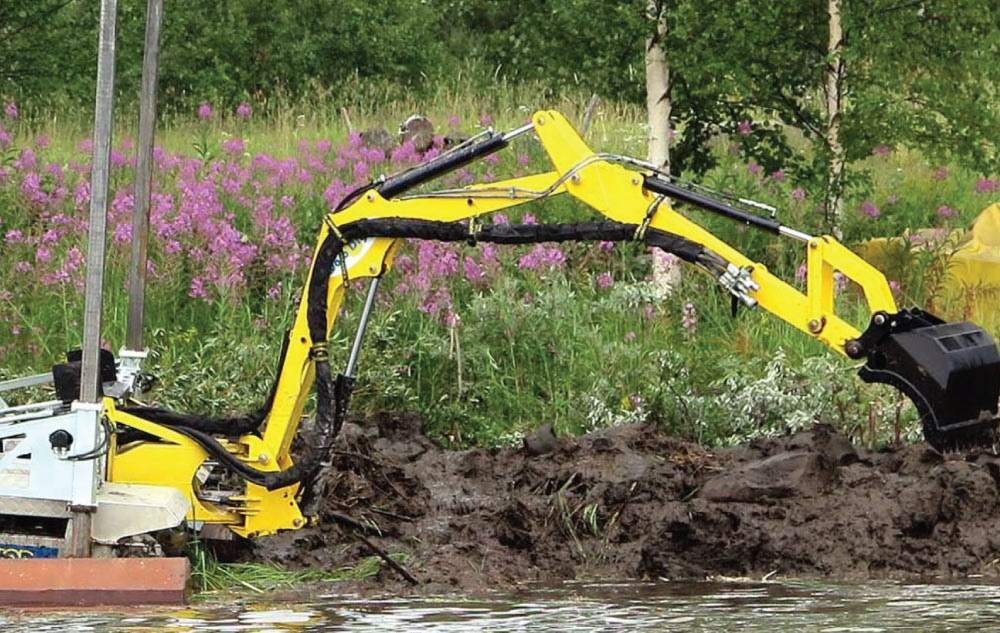
Support That Keeps the Machine Earning
A floating excavator is real capital, and it only pays off when your operators run it well and downtime stays short.
We train Lee County crews on the water they actually work, and stay with them through canal dredging, sediment removal, bank grading, and the long tail of post-Ian recovery jobs across Southwest Florida.
Every Truxor purchase comes with:
- Hands-on operator training
- A technical contact reachable while the job is live
- Genuine parts and factory service
- Attachment advice for gulf-access and brackish water
- A working demo before you commit
See a Floating Excavator Work a Lee County Canal
Put eyes on an amphibious machine as it dredges a canal or reshapes a Caloosahatchee bank somewhere in Lee County, and weigh the reach and the light footprint yourself.
Speak With a Fort Myers Floating Excavator Specialist
Working a Lee County job that puts a machine in water, soft ground, or a canal too tight to stage a barge? Give us the site and we will tell you straight whether a Truxor floating excavator is the right fit.
Frequently Asked Questions (FAQs)
Around Lee County it handles canal dredging, storm sediment and debris removal, shoreline and bank grading, and vegetation work in shallow water where a conventional excavator would sink and a barge cannot maneuver.
A pontoon rig is a standard excavator sitting on a barge that must be trucked in and craned onto the water. A Truxor is a single amphibious unit that drives to the bank and floats on its own, with no separate raft to move.
Yes. Its self-launching, shallow-water design suits the sediment and debris clearing still underway in gulf-access canals and along the Caloosahatchee across Lee County.
Yes. It works Southwest Florida’s tidal and brackish water, and every sale here includes the rinse-down and corrosion routine that protects a machine in salt.
Usually. Canal and in-water work in Lee County can involve SFWMD, FDEP, and the Army Corps, and sensitive areas like Estero Bay carry added protection. Check with the agencies first, since we provide the equipment, not the permitting.